


Two sides of Lagos. Two completely different rhythms. One city that refuses to fit neatly into either.
Ask a Lagosian which side wins – Mainland vs Island Lagos – and prepare yourself.
Some people will answer immediately. Others will laugh first, as though the question itself is slightly ridiculous. A fair number will settle in for a ten-minute argument covering rent, traffic, nightlife, restaurants, schools, work, bridges and the deeply personal question of whether two hours in traffic is a reasonable price to pay for living near the water.
Here is the truth underneath all of it: this was never really a competition.
Mainland and Island are two different expressions of the same enormous, energetic city, and each offers things the other simply does not.
In everyday Lagos conversation, “the Island” usually points towards Lagos Island, Ikoyi, Victoria Island and the wider Lekki corridor. “The Mainland” stretches across neighbourhoods such as Yaba, Surulere, Ikeja, Maryland, Gbagada and much more.
So rather than asking which side is objectively better, ask the more useful question: which side works better for the Lagos you actually want to experience?
Mainland and Island: Two Names, One Very Large City
The broad distinction is easy enough to understand, even if reality gets more complicated the closer you look.
The Island side includes the historic Lagos Island axis and stretches through Ikoyi, Victoria Island and eastwards along Lekki. The Mainland sits across the lagoon and holds enormous residential, commercial, educational and cultural districts of its own.
The Island tends to evoke waterfront living, corporate towers, upscale hotels, restaurants, galleries, beach clubs and nightlife.
The Mainland brings something different: universities, major business districts, deep musical history, neighbourhood markets, long-established residential communities and a broader slice of everyday metropolitan Lagos.
But these labels are only useful up to a point. Ikeja GRA and a busy stretch of Alimosho are both “Mainland” and can feel worlds apart. Ikoyi and Lekki sit on the same broad side of the city but offer completely different moods.
Think of Mainland and Island as chapter headings rather than finished books.
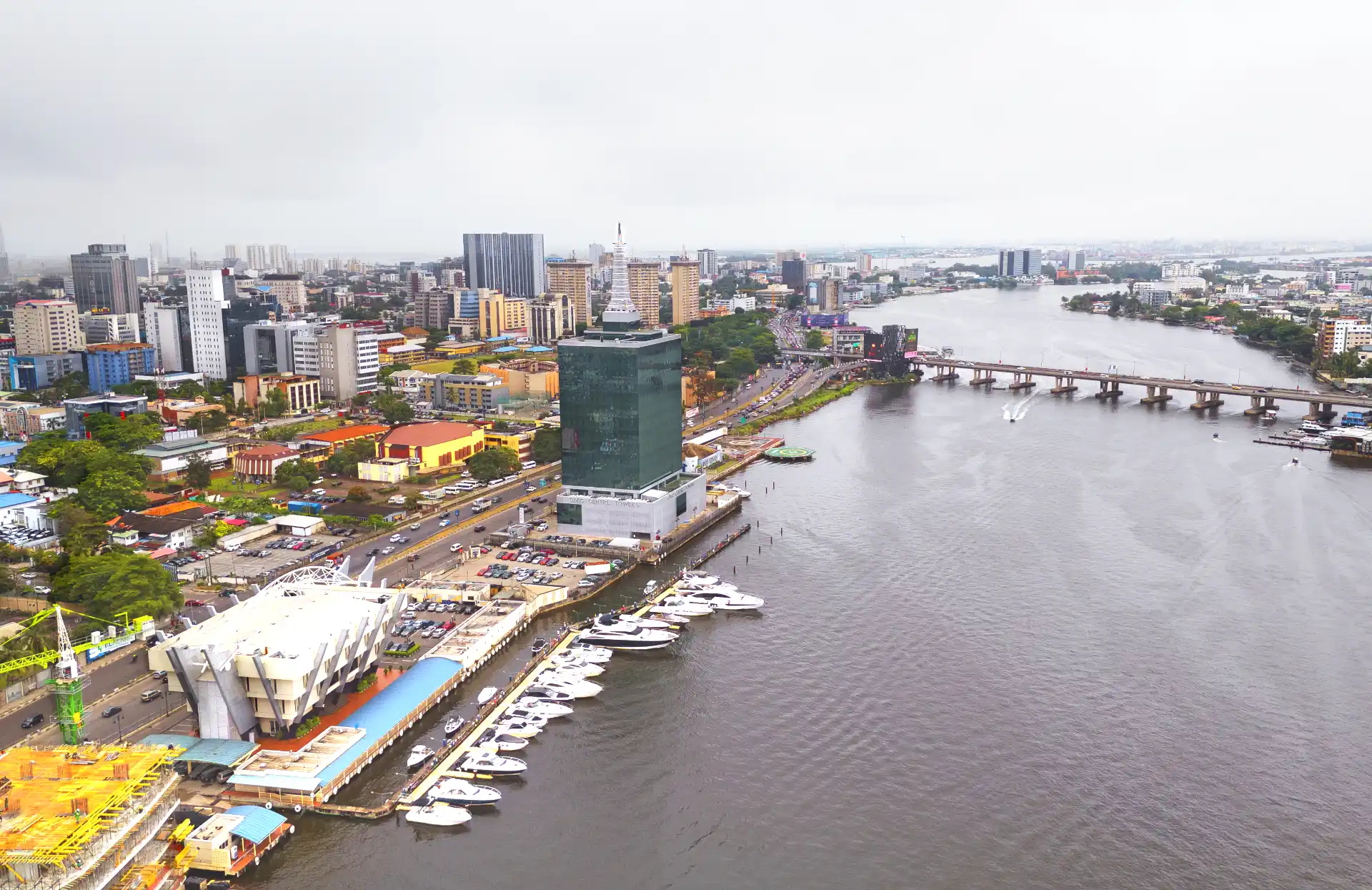
Photo: Ayorinde Ogundele / Wikimedia Commons, CC BY-SA 4.0
1. The Island: Lagos in Its Finest Clothes
If your Lagos plans revolve around boutique hotels, galleries, good restaurants, cocktails, beaches and late evenings, much of your itinerary will naturally lean towards the Island.
Victoria Island, Ikoyi and Lekki hold a particularly dense concentration of hospitality, dining, leisure and cultural experiences, which makes them relatively straightforward for visitors to organise around.
Victoria Island: The City’s Open Front Door
Victoria Island is one of the easiest introductions to contemporary Lagos. Offices, restaurants, hotels, galleries, entertainment venues and waterfront spaces sit relatively close together — at least by Lagos standards.
You can begin with breakfast, spend time around art and culture, have lunch, move towards the waterfront and still find plenty of options once evening arrives.
The mood is polished, busy and thoroughly social.
Ikoyi: Where Lagos Lowers Its Voice
Ikoyi feels more composed.
Leafier residential streets, embassies, galleries, restaurants and premium hospitality give it a quieter kind of confidence than many of the city’s busier commercial districts.
It works particularly well when the plan is built around slow mornings, art, wellness, thoughtful meals and evenings that do not need to become an endurance event.
That is also where Der Weizenbäcker fits naturally into the city: a quieter Ikoyi base with easy access to Victoria Island, Lagos Island and the wider Island corridor.
Lekki: The Island’s Expanding Edge
Lekki carries a younger, more sprawling energy, with restaurants, cafés, entertainment, residential development and creative businesses continuing eastwards.
It also gives visitors two of the city’s easiest cultural and outdoor anchors: Nike Art Gallery and Lekki Conservation Centre.
Then there is the coast.
Because sometimes an excellent Lagos afternoon really can be as simple as art, lunch, sand and a sunset you never quite planned for.
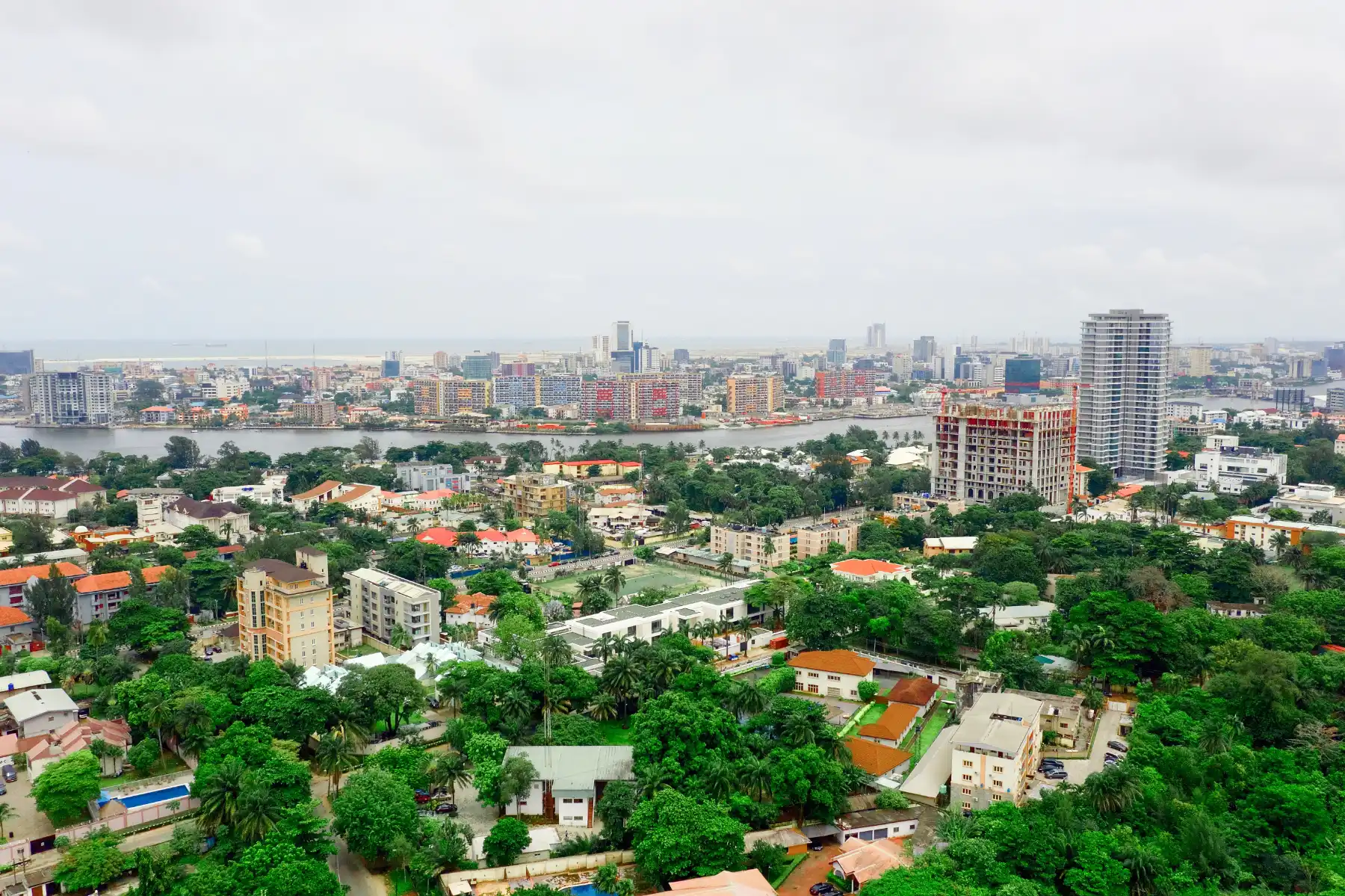
Photo: Wikimedia Commons contributor / CC BY-SA 4.0
2. The Mainland: Lagos Without the Gloss Filter
Now for the other half of the story — the one visitors sometimes miss when they experience Lagos entirely through the Island’s more polished hospitality corridors.
The Mainland is huge, varied and persistently underestimated.
Yaba: Where New Ideas Keep Appearing
Yaba has become strongly associated with education, technology, startups and younger creative communities.
With institutions such as the University of Lagos and Yaba College of Technology nearby, it offers a very different view of the city from hotel lounges and beach clubs.
It feels younger, denser and more connected to everyday student, technology and creative life.
Surulere: The Neighbourhood That Feeds You by Accident
Surulere carries a strong residential, cultural and entertainment identity of its own.
It is also exactly the sort of place where lunch can happen accidentally because you passed something that smelled far too good to ignore.
You may not leave with the same waterfront photographs you would take in Lekki. You may leave with a considerably better food story.
Ikeja: The Practical Heart of the Mainland
Ikeja makes practical sense for business travellers, airport-heavy itineraries and anyone whose plans sit predominantly on the Mainland.
Ikeja GRA offers a more residential character, while areas around Allen Avenue, Opebi and Alausa bring restaurants, offices, shopping and entertainment into the mix.
And after a long flight, there is something deeply satisfying about not beginning your Lagos visit with an unnecessary cross-city journey.

Photo: Daniel Nkado / Wikimedia Commons, CC BY-SA 4.0
3. Where Each Side Actually Delivers
This is where the comparison becomes more useful than the rivalry.
For art and galleries, Ikoyi, Victoria Island and Lekki give visitors a particularly convenient concentration of cultural spaces.
For history, Lagos Island and Onikan carry enormous weight. The National Museum Lagos and nearby Freedom Park make a natural cultural pairing.
For nature and beaches, the wider Island and Lekki corridor gives you easier access to Lekki Conservation Centre, LUFASI Nature Park and coastal experiences.
For nightlife, Victoria Island and Lekki offer a dense concentration of restaurants, lounges and late-night venues, while the Mainland has active nightlife districts of its own around places such as Ikeja.
For business and airport convenience, the answer depends almost entirely on where your meetings actually are. A beautifully chosen hotel becomes considerably less beautiful once you are crossing Lagos twice a day to reach work.
4. The Real Question Is Not Mainland or Island. It Is Logistics.
This matters more than neighbourhood loyalty ever could.
Choose your base around what you are actually planning to do.
If your days involve galleries, beach time, restaurants, Ikoyi meetings, Victoria Island evenings and then back to your room, an Island base makes obvious sense.
If your days revolve around the airport, Ikeja meetings, Mainland businesses and neighbourhoods further north, staying closer to that activity can save enormous amounts of time.
If you genuinely want both — which is often the most interesting Lagos trip — group your plans by area rather than zigzagging across the city.
A map can make fifteen kilometres look innocent. Lagos traffic may have a completely different interpretation.
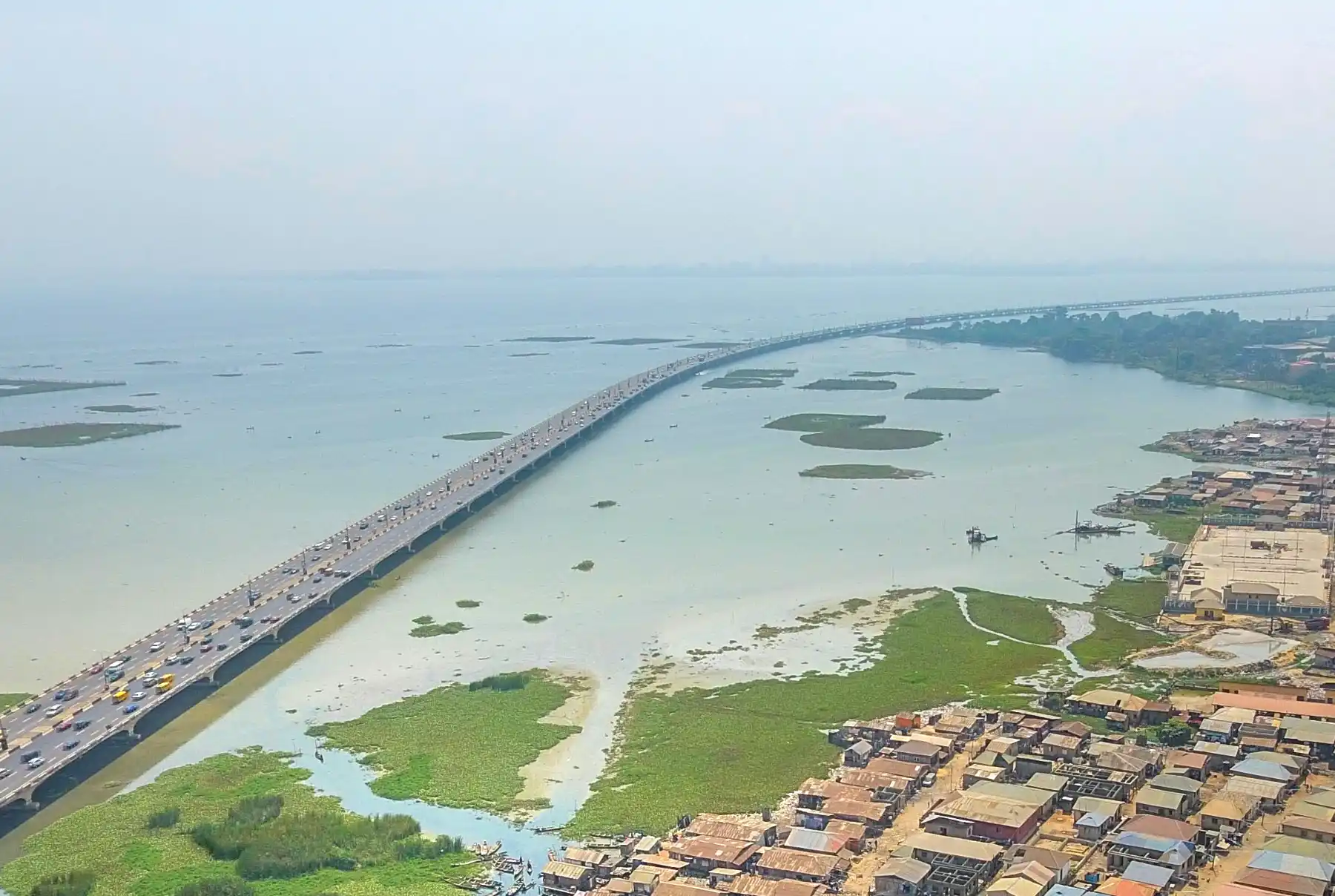
Photo: S.aderogba / Wikimedia Commons, CC BY-SA 4.0
5. A Lagos Weekend That Lets You Experience Both
If you only have a weekend, resist the urge to cover Lagos like someone completing an obstacle course.
Use Friday to settle in around Ikoyi or Victoria Island. Have dinner, recover from the week and let the evening unfold without trying to cross three neighbourhoods.
Give Saturday to Lekki: art, nature, lunch, perhaps the waterfront and enough time to catch the evening light properly.
Then let Sunday show you something different on the Mainland — perhaps Ikeja, Yaba or Surulere depending on your interests.
For more ideas, our Lagos Weekend Bucket List gives you fifteen experiences worth mixing into that plan.
6. What About Cost?
The old shorthand — Island expensive, Mainland cheap — is far too simplistic.
You can spend generously on either side of Lagos, and you can also find more moderate options on both.
For visitors, the more useful calculation is often not the room rate but the total cost of being in the wrong place.
A cheaper hotel stops feeling particularly economical when you spend large amounts of time and money travelling to everything you actually came to Lagos to do.
Location has value here.
Empfohlene Lektüre: Lagos Weekend Bucket List 2026: 15 Brilliant Experiences to Try Before Monday
7. So Which Side of Lagos Actually Wins?
The wonderfully inconvenient answer is that neither wins outright.
The Island makes certain kinds of trips easy: premium hotels, beaches, galleries, restaurants, nightlife and leisure are concentrated relatively close together.
The Mainland gives you something equally important: enormous variety, major business districts, educational institutions, neighbourhood culture and parts of Lagos visitors too easily overlook.
So the better question is not which side wins.
Which Lagos do you want to meet today?
8. Let Your Itinerary Choose Your Hotel
For leisure travellers, the smartest hotel is usually the one sitting naturally inside the trip you have planned.
If art, restaurants, Ikoyi, Victoria Island and the wider Island corridor dominate your plans, Der Weizenbäcker gives you a calm Ikoyi base rather than another destination you have to fight your way back to.
Its rooms and suites, swimming pool, spa and 24-hour room service also mean the hotel remains useful on the days when your smartest Lagos decision is doing considerably less.
A good hotel does more than provide somewhere to sleep. In Lagos, it gives your itinerary an anchor.
The Best Lagos Trip Usually Includes a Little of Both
Lagos was never truly Mainland versus Island.
It has always been Mainland and Island together — different tempos, different neighbourhoods and different ways of understanding one city.
You do not need to choose a side forever.
Choose the one that works for today, leave the other for tomorrow, and remember the one Lagos travel rule that applies almost everywhere:
Check the traffic before you leave.