


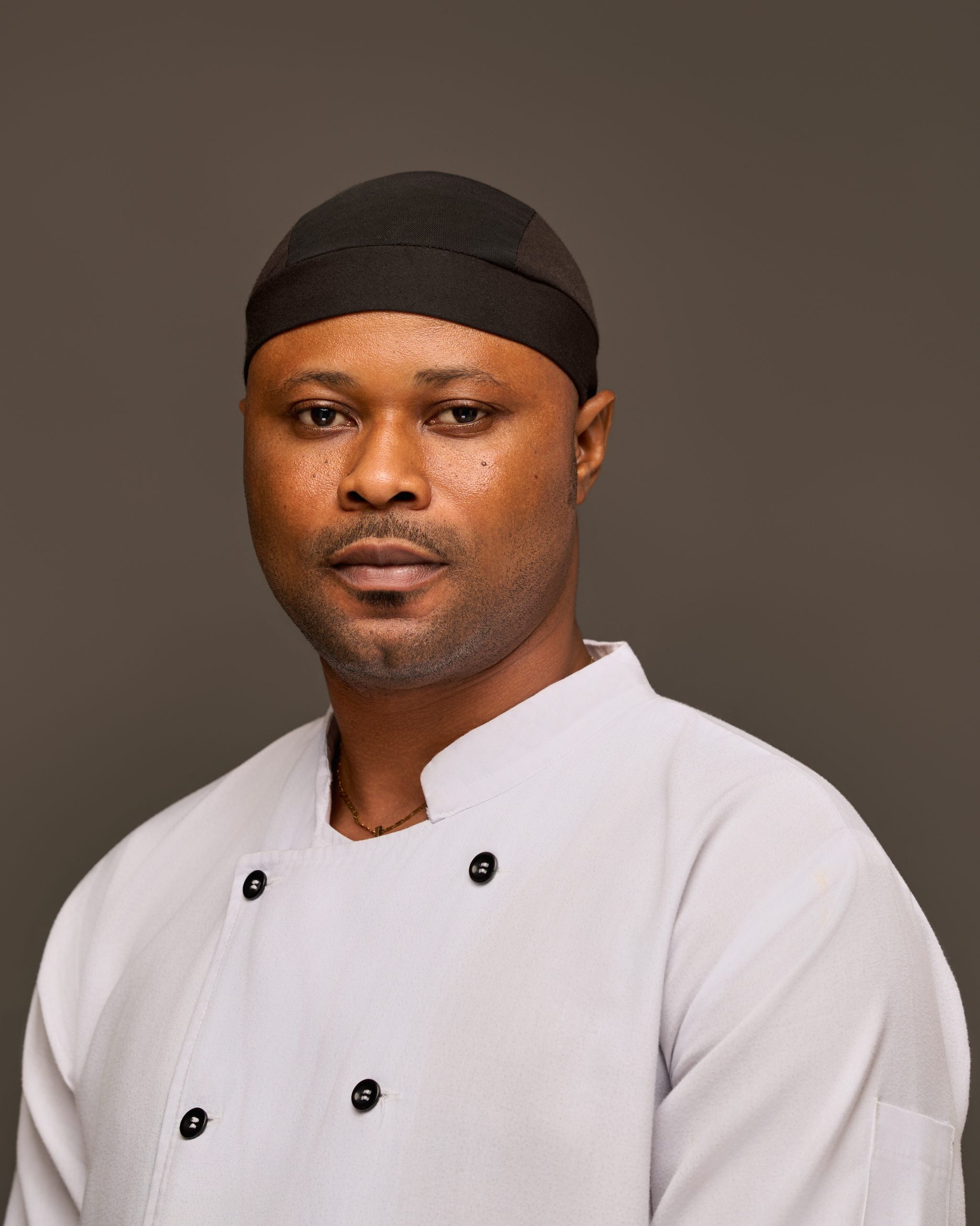
What inspired you to become a chef?
My journey is rooted in a genuine love for food—both as a source of comfort and as a creative expression. I’ve always been fascinated by how ingredients come together to create something memorable, not just in taste but in experience. The creative process behind every dish—from conception to plating—is something that excites me. It’s not just about cooking; it’s about telling a story, evoking emotion, and sparking conversation. What drives me even more is the desire to share that passion with others. Whether it’s through a beautifully prepared meal or a moment of connection over flavors, I find joy in making people feel something through food. It’s a universal language, and being able to communicate through it is both powerful and fulfilling.
What’s the most rewarding part of being a chef?
What I find most rewarding is the immediate gratification of seeing people enjoy and appreciate my creations. There’s something deeply fulfilling about watching a guest’s face light up with that first bite—it’s an unspoken connection that reminds me why I do what I do. Food is my canvas, and being able to express creativity through it gives me a sense of purpose and freedom. Every dish is an opportunity to tell a story, experiment with flavors, and bring ideas to life in a way that’s both personal and shareable. It’s more than just cooking—it’s creating moments, evoking emotion, and offering a piece of myself in every plate. That blend of creative expression and instant human connection is what truly fuels my passion.
How do you stay creative with your menu or plating?
I focus on a thoughtful combination of techniques to create dishes that are both visually appealing and full of flavor. This includes experimenting with unique flavor pairings, balancing bold and subtle notes, and paying close attention to contrasting textures that enhance the overall dining experience. I also use color intentionally—not just for presentation, but to evoke mood and spark curiosity. For me, it’s about creating harmony on the plate while keeping the guest pleasantly surprised with each bite.
What’s one ingredient you can’t live without in the kitchen?
Salt is number one for me—it’s the backbone of flavor in almost every dish. It doesn’t just make food taste salty; it enhances and balances other ingredients, bringing out depth, complexity, and richness. Whether I’m preparing a savory entrée or even baking, salt plays a fundamental role. It sharpens sweetness, rounds out bitterness, and ties everything together. It’s a small ingredient with a massive impact, and no kitchen feels complete without it.
If your cooking style were a music genre, what would it be?
I’d say classical music—it’s a layered, complex art form that mirrors the essence of cooking in so many ways. Just like a symphony requires the careful orchestration of different instruments to create a harmonious and emotionally moving piece, a well-prepared dish calls for the thoughtful combination of ingredients, each playing its part. There’s rhythm in timing, balance in flavor, and a kind of quiet discipline behind both. It’s the attention to detail, the subtle shifts in tone or taste, and the build-up to that final crescendo—whether on a plate or in a performance—that makes it so satisfying and deeply personal.
Any funny kitchen mishaps you’ll never forget?
Yes! That was when I had just started learning the art of grilling, and let’s just say—steak and I had quite the journey. I made a lot of mistakes with the doneness levels at first. Who knew there were six distinct ways to get it right? From Blue/Bleu, barely kissed by heat, to the all-too-popular Well-Done, each level—Rare, Medium Rare, Medium, Medium Well—has its own timing, technique, and texture. In the beginning, I’d overdo a medium rare or under-rest a medium well, but every “oops” came with a lesson. Now? I understand steak like it’s a language—and I speak it fluently (with grill marks to match). It’s all part of the process, and honestly, I wouldn’t trade those early mistakes for anything.
Gas or induction?
I would say both gas and induction cooktops have their own unique advantages, and the choice often depends on the cooking style and preferences of the user. Gas cooktops use an open flame to directly heat the pan, which allows for visual control of the flame and immediate temperature adjustments. Many chefs appreciate the tactile and responsive nature of gas, especially for techniques that require quick heat changes or flame contact, like charring or flambéing. Induction cooktops, on the other hand, use electromagnetic fields to heat the pan directly from the inside out. This technology makes induction cooking incredibly fast and precise. One of the biggest advantages is energy efficiency—because only the pan is heated, there’s minimal heat loss, which also helps keep the kitchen cooler. Induction is also considered safer since there's no open flame, and the cooktop surface remains relatively cool to the touch. Overall, while gas offers a traditional, hands-on approach many chefs love, induction is a modern solution that delivers speed, energy savings, and a safer cooking environment.
Cookbooks or creativity?
I would say both play important roles. Essentially, a cookbook serves as a foundation—it's a tool for learning, mastering techniques, and reproducing time-tested culinary knowledge. It offers structure, guidance, and consistency, especially when exploring new cuisines or refining classic dishes. However, creativity is the spark that breathes life into those foundations. It’s what allows a chef to move beyond the recipe—to experiment, reimagine, and ultimately create something original. While cookbooks can teach you the "how," creativity challenges the "what if." In my view, true culinary excellence comes from the balance of both—respecting the rules while knowing when and how to break them.
Prep or plating?
Preparation is absolutely essential—it lays the groundwork for a smooth and efficient cooking process. When everything is prepped ahead of time, from chopped ingredients to measured spices, it not only speeds up food preparation but also ensures better consistency and presentation when it’s time to plate. Good prep is the quiet hero behind every well-executed dish.
What is your go-to comfort meal after a long day in the kitchen?
I’d say pasta with a simple tomato sauce—it's my go-to comfort meal. It’s quick, easy to prepare, and always satisfying. I like to elevate it just a bit by adding a few fresh vegetables like bell peppers, zucchini, or spinach, depending on what’s in season. The beauty of this dish lies in its simplicity—just good-quality pasta, a well-seasoned tomato base, and a few fresh ingredients come together to create something delicious and wholesome. It’s the kind of meal that feels both effortless and rewarding, especially after a long day.